
Owning a vehicle in a northern winter
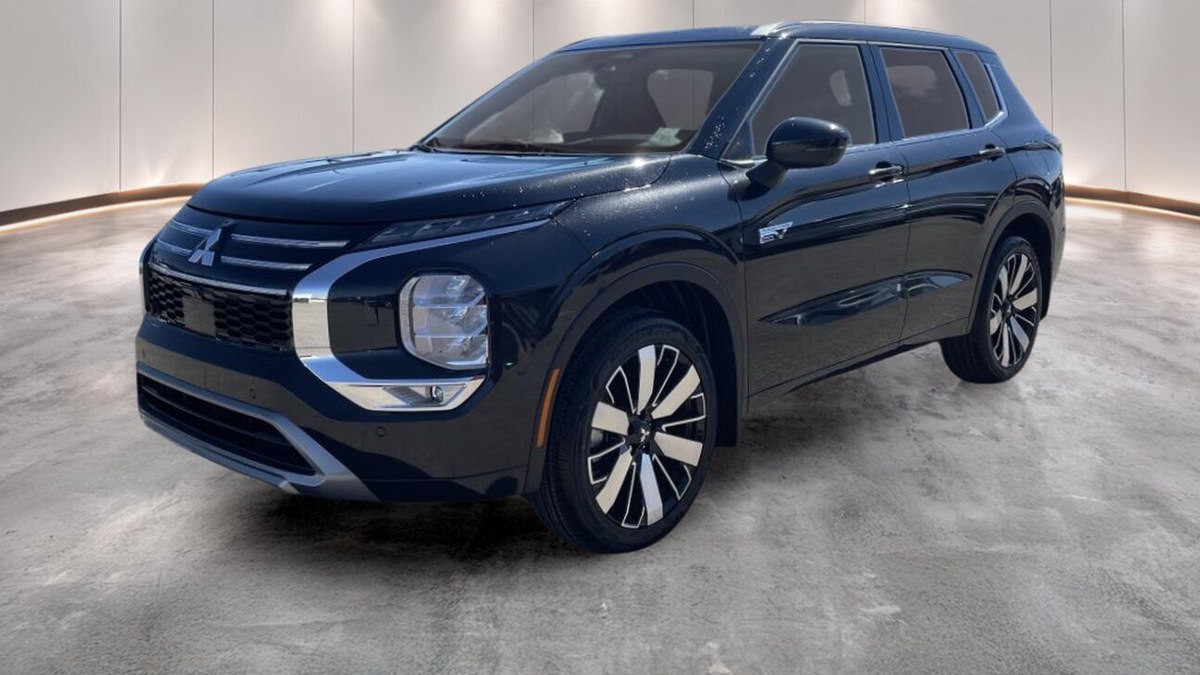
The Mitsubishi Outlander PHEV in a northern Alberta winter: what to expect
Electric range, charging and cold-weather habits for the 2026 Outlander PHEV in northern Alberta, using Mitsubishi's published specs and CAA's winter EV testing.
The short version
- Mitsubishi rates the 2026 Outlander PHEV at up to 72 km of electric range and 690 km total range, from a 22.7 kWh battery and a 2.4 L gas engine.
- Electric range drops in the cold, and Mitsubishi says so. CAA's winter test of battery-electric vehicles found 14 to 39% less range than the official figures. The PHEV wasn't in that test, but the same physics applies.
- When the battery runs low, the gas engine takes over. You can't get stranded by a flat battery the way you can in a fully electric vehicle.
- Plugging in at home makes the biggest difference: about 16.5 hours on a regular 120 V outlet, or about 6.5 hours on a Level 2 (240 V) charger, according to Mitsubishi.
- Warm the cabin while it's still plugged in, use the heated seats, and park inside when you can.
Plug-in hybrids make a lot of sense on paper for northern Alberta. You can do daily driving on electricity, and a gas engine handles the long highway runs between towns. But what happens to the battery when it's −30°C outside? Here's what Mitsubishi publishes about the Outlander PHEV, what independent winter testing shows, and how to get the most from one.
The rated numbers
For the 2026 model year, Mitsubishi says the Outlander PHEV got a larger 22.7 kWh battery, with electric range rising from 61 km to 72 km. Its 2.4 L four-cylinder engine brings the rated total range to 690 km. Mitsubishi also cites NRCan's combined rating of 3.2 Le/100 km (source).
These are official ratings, not winter numbers. Mitsubishi itself says range "will drop in the colder winter months, and with increased use of the climate control system."
How much does cold weather cut range?
Nobody publishes an official winter range for the Outlander PHEV, so we won't make one up. The best independent data we have comes from CAA's winter test of battery-electric vehicles. In sub-zero temperatures, those vehicles drove 14 to 39% less than their official range (CAA). The Outlander PHEV wasn't one of the vehicles tested. But the reasons for the loss apply to any battery: a cold battery, and a heater drawing power from it.
What makes a plug-in hybrid different is what happens when the battery runs low. Mitsubishi explains that the gas engine "seamlessly takes over," and the vehicle keeps running in hybrid mode as long as there's fuel in the tank. A shorter winter electric range means burning more gas. It doesn't mean getting stranded.
Charging at home
NRCan notes that a PHEV doesn't have to be plugged in, but it will be more fuel-efficient and have a longer driving range if it is (NRCan). Mitsubishi lists these charge times for the 2026 Outlander PHEV:
| Charger | Mitsubishi's stated time |
|---|---|
| Level 1 (120 V household outlet) | About 16.5 hours, empty to full |
| Level 2 (240 V) | About 6.5 hours |
| DC fast charging | 29 minutes, at up to 50 kW |
These times are for normal conditions. In practice, if you park outside overnight in January, a Level 2 charger gives you more room to recharge before morning. Talk to a licensed electrician about installing one.
Winter habits that help
- Warm the cabin while it's plugged in. CAA's top tip is to precondition before you leave, so the energy comes from the wall instead of the battery. Ask the dealer how to schedule it on the vehicle you're looking at.
- Use the heated seats and steering wheel. CAA notes that heated seats use less energy than heating the whole cabin.
- Park indoors when you can. According to CAA, a warmer battery improves both range and charging speed.
- Clear the snow off. Removing snow and ice cuts weight and drag. Transport Canada says to clear the hood, roof, windows and lights, and some provinces fine drivers who don't.
- Wait without idling. Mitsubishi points out that a PHEV can keep you warm while parked in EV mode, without idling the engine.
- Use winter tires. Alberta doesn't require them, but the province recommends four winter or all-weather tires with the mountain/snowflake symbol (Government of Alberta).
Is a plug-in hybrid right for you?
A PHEV suits you best if you can plug in where you park, and most of your days are shorter than the electric range, even after a winter cut. If you can't plug in at home, or most of your driving is long highway runs between towns, you'll be running on gas much of the time. In that case, compare the PHEV against a conventional or hybrid model before deciding.
Questions worth asking on a test drive:
- How do I schedule preconditioning, and can I do it from my phone?
- Which drive modes save battery, and which ones keep it in reserve?
- What charging cable comes with the vehicle, and what would I need for Level 2 at home?
- What does the battery warranty cover, and for how long? Get it in writing.
Sources
We checked every fact in this guide against these sources on October 25, 2026. Rules and specifications change, so confirm anything important with the source.
- How far can you drive electric on the 2026 Mitsubishi Outlander PHEV? Mitsubishi Motor Sales of Canada
- What to know about driving PHEVs in the Canadian winter Mitsubishi Motor Sales of Canada
- EVs in winter (CAA EV Winter Test) Canadian Automobile Association
- Buying an electric vehicle Natural Resources Canada
- Winter tires (fact sheet) Government of Alberta
- Driving safely in winter Transport Canada